


Digestive problems are common and can occur for many reasons, including dietary changes, infections, stress, food intolerances, and chronic gastrointestinal conditions. While many symptoms improve on their own or respond to simple treatment, some persistent changes may require further medical evaluation.
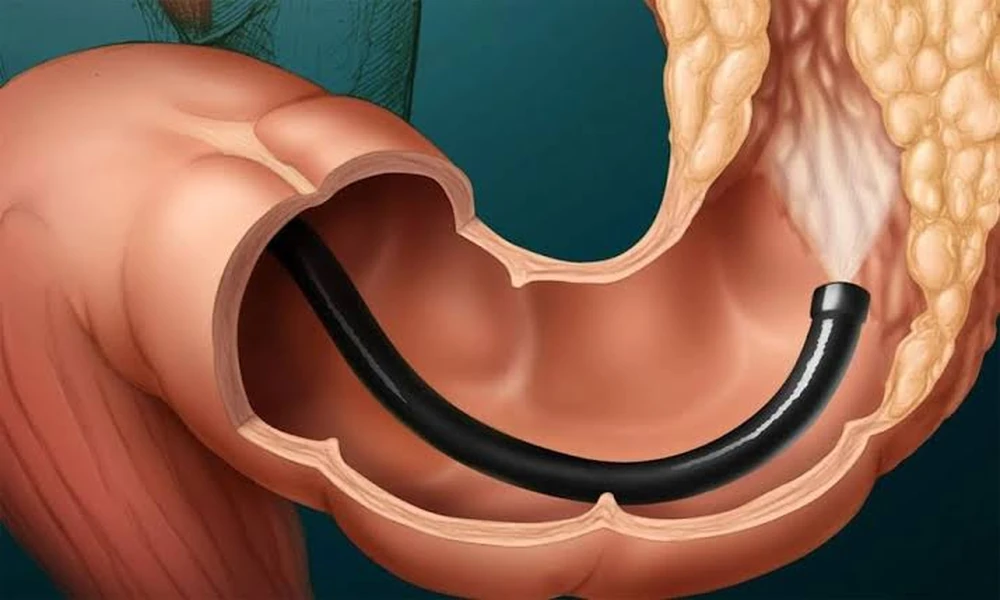
A colonoscopy procedure is one diagnostic procedure that allows a healthcare professional to examine the inside of the colon and rectum. It may be recommended when certain symptoms continue, become more severe, or raise concerns about an underlying condition that cannot be identified through a routine physical examination alone.
Persistent Changes in Bowel Habits
Occasional constipation or diarrhea is usually not unusual. However, a significant change in bowel habits that continues for an extended period may deserve further evaluation.
You may notice that you are going to the bathroom more or less frequently than usual. Some people experience ongoing diarrhea, persistent constipation, or alternating episodes of both without an obvious explanation.
Changes in stool shape or consistency can also be worth discussing with a healthcare professional, particularly when they persist or occur alongside other concerning symptoms. Depending on your age, medical history, and overall risk factors, a diagnostic colonoscopy may be considered as part of the evaluation.
Rectal Bleeding or Blood in the Stool
Seeing blood after a bowel movement can be alarming. In some cases, rectal bleeding may be caused by relatively common conditions such as hemorrhoids or anal fissures.
However, bleeding should not automatically be assumed to have a harmless cause, especially when it continues or occurs repeatedly. Blood may appear bright red, dark, or mixed with the stool, depending on its source.
In some cases, bleeding from the digestive tract may not be visible. Slow or ongoing blood loss can contribute to iron-deficiency anemia, which may cause symptoms such as fatigue, weakness, dizziness, or shortness of breath.
A healthcare professional can determine whether further testing is appropriate. When there is concern about a condition affecting the colon, a colonoscopy may help identify the source of bleeding or detect abnormalities that require additional attention.
Ongoing Abdominal Pain or Discomfort
Abdominal pain can have many possible causes, ranging from temporary digestive upset to chronic gastrointestinal conditions. The location, intensity, duration, and pattern of the discomfort can provide important clues.
Persistent cramping, bloating, pressure, or unexplained abdominal discomfort should be evaluated, particularly when symptoms do not improve or begin interfering with daily activities.
Pain that occurs together with other changes, such as altered bowel habits, rectal bleeding, unexplained weight loss, or fatigue, may require more comprehensive assessment. Your healthcare provider may recommend tests based on your symptoms and medical history.
Unexplained Weight Loss or Loss of Appetite
Weight can change for many reasons, including changes in diet, physical activity, stress, and illness. However, losing a significant amount of weight without intentionally changing your lifestyle should be discussed with a healthcare professional.
A reduced appetite or feeling full unusually quickly may also deserve attention when the problem continues. These symptoms do not necessarily indicate a serious condition, but they should not be ignored when they occur alongside other digestive concerns.
Further evaluation may involve blood tests, imaging, or procedures that allow healthcare professionals to examine the digestive tract more closely. A colonoscopy may be recommended when the symptoms or risk factors suggest that the lower gastrointestinal tract needs to be assessed.
Fatigue Caused by Possible Anemia
Persistent fatigue is often associated with busy schedules, poor sleep, or stress, but it can also have medical causes. One potential cause is anemia, which occurs when the body does not have enough healthy red blood cells to carry oxygen effectively.
Iron-deficiency anemia may sometimes result from ongoing blood loss in the digestive tract. Because the bleeding may not always be visible, a person may not immediately realize that a gastrointestinal problem is contributing to their fatigue.
Symptoms can include weakness, dizziness, pale skin, shortness of breath, or reduced exercise tolerance. If testing suggests unexplained iron-deficiency anemia, a healthcare professional may investigate possible sources of blood loss.
A Family or Personal History of Colon Problems
Your digestive symptoms are not the only factor that can influence whether further testing is recommended. A family history of colorectal cancer or certain types of polyps may increase your risk and affect when screening or diagnostic testing should begin.
A personal history of polyps, inflammatory bowel disease, or certain inherited conditions can also influence your healthcare provider’s recommendations.
Even mild symptoms may deserve closer attention when they occur in someone with significant risk factors. Sharing your complete personal and family medical history can help your healthcare provider determine the most appropriate next steps.
When to Speak With a Healthcare Professional
Persistent digestive changes should not be self-diagnosed. Many symptoms associated with the colon can also occur with conditions that are less serious and may require different forms of treatment.
However, ongoing rectal bleeding, unexplained anemia, persistent changes in bowel habits, unexplained weight loss, or continuing abdominal discomfort should be discussed with a qualified healthcare professional.
A colonoscopy may be recommended based on the nature of your symptoms, age, family history, and other individual risk factors. Early evaluation can help identify the cause of persistent digestive problems and guide appropriate treatment or follow-up.
Listening to changes in your body and seeking professional advice when symptoms do not resolve can be an important step toward protecting your long-term digestive health.
