


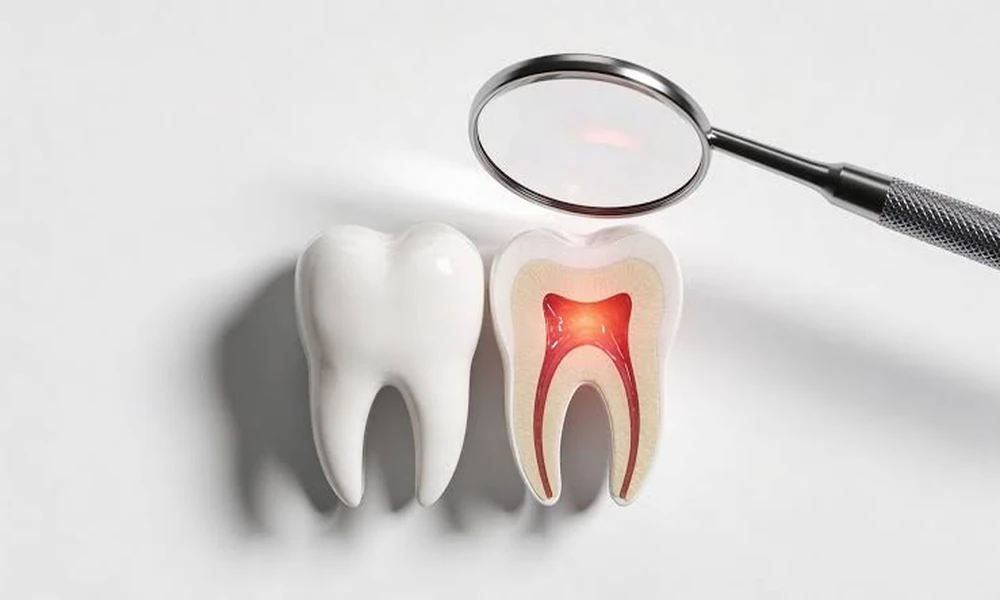
Ask people what they dread at the dentist and this procedure usually tops the list, mostly on the strength of stories from decades ago. The reality of root canal treatment singapore today is closer to a long, careful filling carried out under local anaesthetic. The simplest way to take the fear out of it is to walk through the appointments in order, from the first twinge to the final crown, so that nothing which happens in the chair comes as a surprise.
The Toothache That Starts It
The usual beginning is pain: a throb that lingers after hot or cold drinks, an ache that wakes you, tenderness on biting, or a pimple on the gum that comes and goes. Occasionally there is no pain and the problem appears on a routine X-ray. All point to the soft tissue inside the tooth, the pulp, being inflamed or infected, typically from deep decay, a crack or an old injury. It will not settle by itself.
The Assessment Visit
The dentist taps the tooth, applies something cold, perhaps uses a gentle electric tester, and takes X-rays. These show whether the pulp is alive, how many roots there are and whether infection has reached the bone. You should hear three things before leaving: whether the tooth can be saved, what the alternative is, and roughly how many visits and what restoration will be needed. If antibiotics or pain relief are prescribed, they ease symptoms but do not cure the cause.
Getting Numb and the Rubber Sheet
On the day, local anaesthetic is given and tested before anything starts. A badly inflamed tooth can be harder to numb, so say so if you feel anything; more can be added. A thin sheet of rubber is then stretched over the tooth with a small clamp. It looks odd but is a mark of good practice. It keeps saliva and bacteria out of the tooth and keeps instruments and rinsing liquids out of your throat.
Opening the Tooth and Finding the Canals
A small opening is made through the biting surface, or behind a front tooth, to reach the pulp chamber. The dentist then locates each canal entrance, sometimes with magnification. Their length is measured with an electronic device and confirmed by X-ray. Clinics that publish an outline of what a root canal procedure involves tend to describe this stage briefly, yet it is where experience shows, because a missed canal is a leading reason for later trouble.
Cleaning and Shaping
Fine flexible files, turned by hand or by a slow motor, remove the diseased tissue and smooth the canal walls. Between files the canals are flushed repeatedly with disinfecting solution, which does much of the real work of killing bacteria in places instruments cannot reach. You will feel vibration and pressure and hear some clicking, but it should not hurt. This is the longest part of the appointment. Bringing headphones is perfectly acceptable.
If It Takes Two Sittings
When infection is heavy or time runs out, the dentist places an antibacterial paste inside, seals the opening with a temporary filling and sees you again in a week or so. In the interval, chew on the other side and avoid sticky food that could pull the temporary out. Mild tenderness is normal. Swelling, severe pain or a lost filling is not, and warrants a call to the clinic instead of waiting for the next booking.
Sealing the Roots
Once the canals are clean and dry, each is filled with a rubber-like material called gutta-percha and a sealing cement, packed to close the space from tip to top. A further X-ray checks that the filling reaches the right length without gaps. The access opening is then closed with a core filling. At this point the infection source has been removed, but the tooth is not yet back to full strength.
The Days Afterwards
As the anaesthetic fades, expect the tooth to feel bruised when you bite, usually for a few days. Ordinary pain relief as advised by your dentist is generally sufficient. Eat soft food at first and keep brushing normally. Contact the clinic if pain worsens after the third day, if swelling appears or if the bite feels high. Most people return to work the same or the following day.
Crowning the Work
A root-filled back tooth is more brittle than a living one and has lost much of its internal structure. To prevent it splitting, a crown is commonly recommended, fitted over one or two further visits. Front teeth with little damage may manage with a filling alone. Delaying this step is the commonest way a successfully treated tooth is lost, so book it promptly and include it when you think about total cost.
Deciding With Your Dentist
Not every tooth should be saved. If a crack runs below the gum or too little sound structure remains, extraction and replacement may be the better course, and a good clinician will say so. Where the outlook is reasonable, keeping your own tooth is usually preferable. Ask about the likely outcome for your particular tooth, who will perform the work and what follows it. Understood step by step, root canal treatment singapore is a manageable course of care, not an ordeal.
