


It usually starts small. A little blood in the sink. A sore spot that seems like it should heal on its own. A tooth that only hurts when you chew on one side, so you start avoiding that side and hope it settles down. You are not overreacting for noticing these things, and you are not weak for feeling uneasy about them. Mouth problems have a way of creeping into everything, including eating, sleeping, speaking, and even how comfortable you feel smiling. If these concerns are affecting your daily life, exploring cosmetic dental services Green Bay may be a helpful next step.
The short version is simple. Some dental problems are minor, but a few symptoms can point to infection, gum disease, nerve damage, or in rare cases something more serious. Seeing a general dentist early often means simpler treatment, less pain, and lower cost.
Bleeding gums can be an early sign of gum disease
If your gums bleed when you brush or floss, it is easy to blame brushing too hard and move on. That does happen, but bleeding that keeps coming back often points to inflammation. Swollen, tender, or receding gums can be early signs of gum disease, and gum disease does not stay still. It can progress from irritation to infection that affects the tissue and bone supporting your teeth.
You can read more about gum disease and its warning signs. The problem with waiting is that early gum disease may improve with a deep cleaning and better home care, while advanced disease can lead to loose teeth, bad breath that will not go away, and tooth loss.
Tooth pain often means more than a sensitive tooth
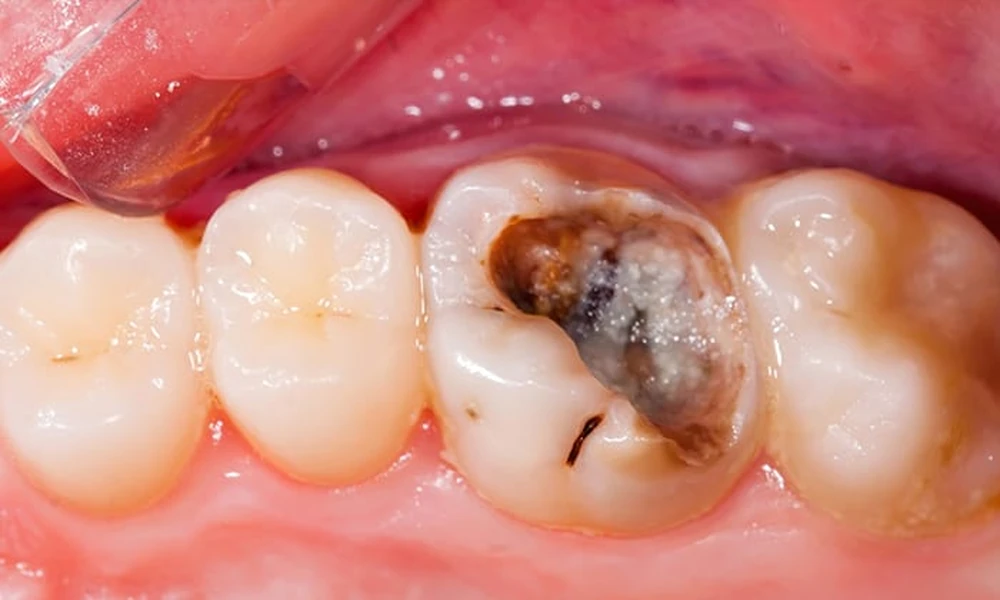
Aching, throbbing, sharp pain, or pain that wakes you up at night should not be ignored. Pain is your body asking for attention. A cavity may be the cause, but pain can also come from a cracked tooth, an exposed root, an abscess, or grinding that has worn the tooth down.
You might be telling yourself you can still function, so maybe it is not serious. That logic falls apart fast when a small cavity turns into a root canal or an extraction. Dental warning signs are often easier and cheaper to treat when the pain first appears, before infection reaches the nerve.
A sore that does not heal needs prompt attention
Canker sores and minor mouth irritation usually heal within a couple of weeks. A sore, lump, rough patch, or thickened area that stays longer than that deserves a closer look. The same goes for persistent mouth pain, numbness, or trouble swallowing.
Most long lasting mouth sores are not cancer, but this is one area where delay is not worth the risk. The National Cancer Institute explains head and neck cancer risk factors and symptoms, including changes in the mouth that should be checked. If something in your mouth looks or feels off and it is not healing, make the appointment.
Jaw swelling, facial swelling, or pus can signal infection
Swelling in your gums, jaw, or face is not a wait and see symptom. Neither is a bad taste in your mouth with drainage, a bump on the gum, or fever with tooth pain. These can point to an abscess, which is a bacterial infection. Dental infections can spread into nearby tissue and become much harder to manage.
This is where people often try to push through with pain relievers and saltwater rinses. Those may ease discomfort for a few hours, but they do not remove the source of infection. A general dentist can identify whether the tooth needs drainage, antibiotics, root canal treatment, or removal.
Persistent bad breath and a bad taste can point to deeper problems
Morning breath is one thing. Breath that stays bad no matter how much you brush, rinse, or chew gum is different. Ongoing bad breath or a sour, foul taste may come from gum disease, decay, trapped food around a damaged tooth, dry mouth, or infection.
It can feel embarrassing to bring up, but it is a common symptom and a useful clue. A dentist is not judging you. They are looking for the cause, because freshening your breath without treating the problem is like painting over water damage.
Loose teeth and trouble chewing are red flag symptoms
Adult teeth should not feel loose. If a tooth shifts, bites differently, or hurts when you chew, something is wrong. It may be advanced gum disease, bone loss, a crack, trauma, or an untreated infection. Chewing discomfort can also come from a tooth that looks fine on the surface but has damage below the gumline.
These are the kinds of serious oral health symptoms that people adapt to without realizing it. You chew softer foods. You use one side of your mouth. You avoid cold drinks. Those workarounds can hide a problem that keeps getting worse.
Watching and waiting often costs more than early dental care
Some symptoms fade on their own, but the ones above often grow more expensive and painful with time. The table below shows the difference between waiting and getting checked sooner.
| Symptom | If You Wait | If You See a Dentist Early |
|---|---|---|
| Bleeding gums | Gum disease may progress to bone loss and loose teeth | Cleaning, periodontal care, and home care changes may control it |
| Toothache | Decay or crack may reach the nerve and cause infection | Filling, bite adjustment, or early treatment may save the tooth |
| Persistent mouth sore | Delayed diagnosis of infection, irritation, or rare serious disease | Faster evaluation and referral if needed |
| Swelling or pus | Infection may spread and become urgent | Source can be treated before it worsens |
| Loose tooth | Higher risk of tooth loss and more complex repair | Cause can be identified and managed sooner |
Three steps you can take today
1. Track the symptom clearly. Write down when it started, what makes it worse, whether there is swelling, bleeding, fever, or a bad taste, and whether the pain is constant or comes and goes. If there is a sore or swelling, take a photo. Details help your dentist spot patterns fast.
2. Protect the area without trying to self treat it. Brush gently, floss carefully unless it causes severe pain, avoid very hot or very cold foods, and rinse with warm saltwater if the area feels irritated. If a tooth has been knocked loose or moved out of place, follow basic tooth injury first aid guidance and get urgent dental care.
3. Book an exam before the symptom escalates. If you have swelling, pus, fever, trauma, or severe pain, ask for the earliest available visit. If the issue seems mild but keeps returning, schedule a routine evaluation anyway. Signs you need a dentist are not always dramatic. Repeated small symptoms count.
Paying attention now can spare you bigger problems later
You do not need to panic over every twinge, but you also do not need to talk yourself out of care when your mouth keeps sending the same signal. Bleeding gums, tooth pain, swelling, a sore that does not heal, bad breath that lingers, and loose teeth are all symptoms worth taking seriously. A general dentist can sort out what is minor, what needs treatment, and what should be referred for more evaluation.
If any of these symptoms sound familiar, schedule a dental visit soon and get clear answers before a manageable problem turns into a painful one.
