


You bite down, and one tooth answers back. Not with hot or cold pain, just pressure. Chewing on one side starts to feel risky, and even a simple test like tapping your teeth together can make you tense up. That kind of pain is unsettling because it does not follow the pattern most people expect. You may be wondering if it is a cracked tooth, a filling problem, gum trouble, or something deeper, which is why seeing a dentist in Westwood, NJ may help you find answers.
Pressure sensitivity without temperature pain often points dentists toward the way the tooth handles force, not just whether the nerve is inflamed. A dentist evaluating pressure-sensitive tooth pain usually looks at the bite, the tooth structure, old dental work, the ligament around the tooth, and the health of the pulp inside the tooth. The goal is to find out whether the pain starts in the enamel and dentin, the root, the supporting tissues, or the way your teeth meet when you bite.
Pressure pain often points to force, cracks, or inflammation around the tooth
A tooth that hurts under pressure but not with temperature can have several causes, and some are easy to miss at home. A small crack may only open slightly when you chew. A high filling may place too much force on one point. Inflammation in the periodontal ligament, the tissue that cushions the root, can make the tooth feel sore when you bite even if the pulp still tests normal. Food trapped between teeth can also irritate the gum and mimic tooth pain.
This is where the pattern matters. If the pain is sharp when you bite down and eases when the pressure stops, a crack or bite interference may be more likely. If the pain lingers after chewing or the tooth feels slightly raised, dentists may also consider inflammation at the root tip or stress from clenching. If you had recent dental work, the timing becomes part of the story because a new restoration can change the bite in a way that one tooth feels overloaded.
You may also notice that the tooth does not ache on its own. That does not always mean the issue is minor. Some cracked teeth stay quiet until force spreads the crack. Some root problems show up first as pain on chewing, long before there is swelling. According to the overview of cracked teeth and split teeth, pain with biting pressure can be a key clue when a fracture is involved, especially when the crack is not obvious on an X-ray.
Dentists use a step by step exam to find the source of biting sensitivity
How dentists check a tooth sore to bite on is usually less dramatic than people fear. The exam starts with the history. When did it start, was there recent dental work, does it hurt when you chew hard foods, and does the pain happen on release after biting? Those details help narrow the list fast.
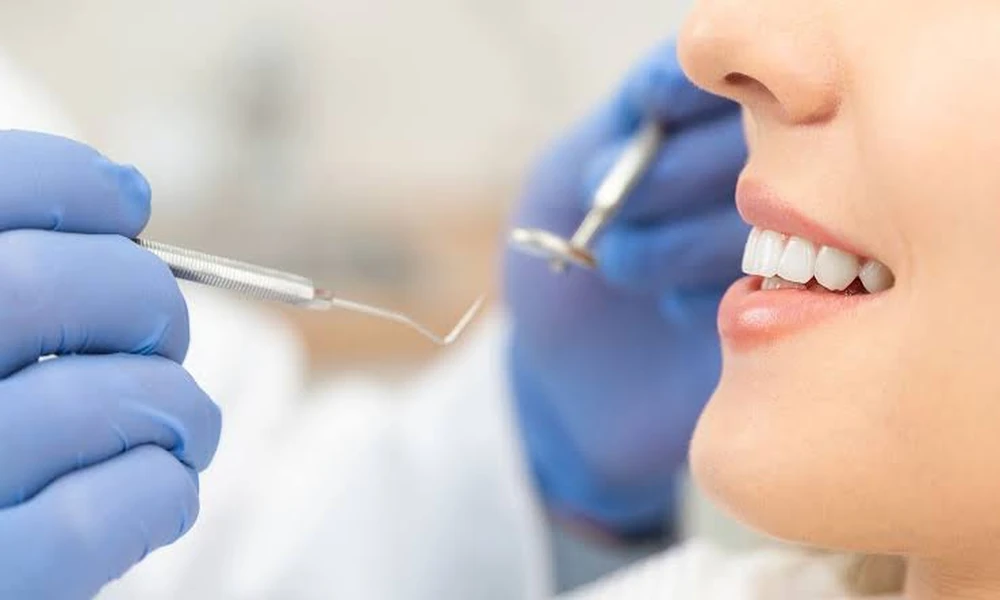
Then comes the physical exam. The dentist may tap the tooth, press on the gums, and check whether the tooth moves more than expected. They often test the bite with articulating paper to see if one spot is taking too much force. If a crack is suspected, they may use a bite test tool and have you bite on specific cusps one at a time. Pain on one cusp can help localize a fracture.
Temperature and pulp tests still matter, even when you are not feeling hot or cold sensitivity at home. A tooth can have a normal response, an exaggerated one, or none at all, and each pattern changes the diagnosis. Guidance on dental pulp testing and endodontic diagnosis explains how dentists combine cold testing, percussion, palpation, and imaging rather than relying on one symptom alone.
X-rays help check for decay under fillings, bone changes around the root, and signs of fracture, though very small cracks often do not show. In some cases, the dentist may recommend a cone beam scan, especially if standard films do not match what you are feeling. They may also check for gum pockets around the tooth because a narrow isolated pocket can be another clue that a crack extends below the gumline.
Common findings behind tooth pressure sensitivity and how they differ
The reason this symptom is frustrating is that different problems can feel almost the same at first. One person has a cracked cusp that needs a crown. Another has a filling that is just a little high and feels better after a quick adjustment. Someone else has early inflammation at the root and needs root canal treatment. The only safe way to sort those apart is a proper exam.
| Possible cause | What it often feels like | What a dentist looks for | Possible treatment |
|---|---|---|---|
| High filling or bite interference | Soreness when chewing, tooth feels hit first | Bite marks, recent dental work, tenderness to pressure | Bite adjustment, short follow up |
| Cracked tooth or cracked cusp | Sharp pain on biting or release, hard to pinpoint | Bite test, magnification, transillumination, imaging | Bonding, crown, or root canal if pulp is affected |
| Periodontal ligament inflammation | Bruised feeling, sore to tap or chew | Percussion sensitivity, bite pattern, clenching history | Adjust bite, reduce trauma, monitor healing |
| Root tip inflammation or infection | Pain with pressure, possible swelling later | Pulp tests, X-ray findings, tenderness to percussion | Root canal treatment or extraction in severe cases |
| Food trap or gum irritation | Pain after meals, pressure between teeth | Contact check, gum exam, flossing discomfort | Clean area, repair contact, gum care |
What you can do before your general dentist visit
Track the pattern
Notice whether the pain happens when you bite down, when you release, or both. Pay attention to whether one type of food sets it off, whether the tooth feels high, and whether there was recent dental work. Those details help a general dentist separate a crack from a bite issue much faster.
Protect the tooth from more stress
Chew on the other side for now, avoid hard foods like nuts and crusty bread, and do not keep testing the tooth all day. Repeated pressure can worsen a crack or keep the ligament inflamed. If you clench, try to avoid daytime jaw tension and keep your teeth apart when you are not eating.
Book an exam before the pain changes
A tooth that only hurts with pressure can stay stable for a while, or it can shift quickly if a crack deepens or the pulp becomes involved. If you develop swelling, spontaneous throbbing, fever, or pain that wakes you up, move it up from routine to urgent.
Early assessment gives you the best chance to keep treatment simple
Pressure sensitivity without temperature pain is a real symptom, and it deserves a careful look. Sometimes the fix is small. Sometimes it is the first sign of a problem that gets harder to treat if you wait. Tooth pain when biting down is one of those complaints where the pattern tells a story, and your dentist reads that story through exam findings, testing, and imaging.
If one tooth has started to feel wrong when you chew, trust that instinct and schedule a visit. Getting it checked early can protect the tooth, lower the chance of a bigger repair, and give you a clear answer instead of days of guessing.
