


You might be looking at your child’s teeth, or even your own, and wondering how much of this you can control. Maybe you grew up in a home where you only went to the dentist when something hurt, so now the idea of planning ahead for dental care with an Enfield dentist feels new and a little overwhelming. You want your kids to have fewer problems than you did, yet life is busy, money is tight, and tooth problems always seem to show up at the worst possible time.end
Because of this tension, you might be asking yourself a simple question. Is all this talk about preventive dental care really worth it, or is it just one more thing to worry about? The short answer is that prevention is one of the quietest, strongest ways you can protect your child’s health, confidence, and future choices. A family dentist who focuses on prevention is not only treating today. They are shaping what your children’s mouths will look and feel like 10, 20, even 40 years from now.
This is the heart of why preventive dentistry protects future generations. It helps avoid pain, reduces the risk of serious health issues, saves money over time, and gives kids a healthier starting line than many adults ever had. You do not have to do everything perfectly. You only need to understand what matters and take small, steady steps.
Why does dental prevention matter so much for kids and families?
To understand why prevention is so powerful, it helps to look at what happens when it is missing. Many parents first meet a dentist in a moment of crisis. A child wakes up at night crying with a toothache. An abscess appears. A permanent tooth breaks on something as simple as a piece of bread. In that moment, you are not thinking about the future. You just want the pain to stop.
Emergency visits are stressful. They often cost more. They can also be frightening for a child, which can shape how that child feels about dentists for years. Because of this, many families get caught in a cycle of “fix it when it breaks” instead of “protect it before it breaks.” Over time, this can lead to more fillings, more extractions, and more missed school or work.
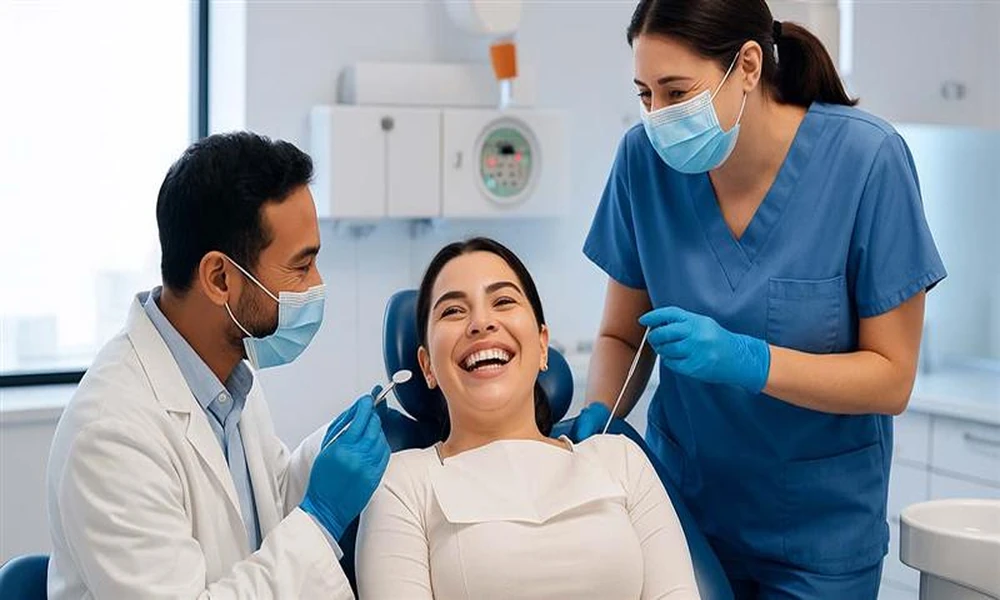
Now imagine a different pattern. You bring your child to a family dentist early, even before there is a problem. The visits are short and calm. The dentist checks tiny changes, cleans away early plaque, and applies fluoride or sealants when needed. Your child learns that the dental chair is a normal, safe place, not a place they only see when they are in pain. Small problems are caught before they ever turn into big ones.
Public health experts have been saying the same thing for years. Good daily care at home, regular checkups, and early preventive treatments significantly lower the chance of cavities and gum disease. Resources like the Centers for Disease Control and Prevention share clear guidance on simple preventive steps like brushing with fluoride, using sealants, and regular visits. These are not fancy solutions. They are small habits that quietly change a child’s future.
What are the hidden costs of waiting until something hurts?
On the surface, waiting until there is pain can feel practical. You avoid spending money on visits when “nothing is wrong.” Yet the hidden costs usually show up later. A single untreated cavity can spread, weaken the tooth, and sometimes infect the surrounding bone. Treatment can shift from a small filling to a root canal or extraction. The cost can jump from manageable to burdensome.
The emotional costs can be just as real. A child with untreated dental problems may struggle to eat, sleep, or focus in school. They might feel embarrassed to smile. For very young children, painful teeth can even affect speech and nutrition. The Health Resources and Services Administration has highlighted how early dental care for young children can prevent problems that affect growth, learning, and development. When you protect baby teeth, you are not just protecting “temporary” teeth. You are protecting how a child eats, speaks, and socializes.
There is also the fairness question. Not all families have the same access to dental services. Some communities face higher rates of untreated cavities, fewer local dentists, or limited insurance. The CDC has drawn attention to these gaps and how improving oral health equity helps children from every background have a better chance at a healthy life. When you choose prevention for your own family, you are also part of a bigger shift. You are showing that early care is normal and expected, not a luxury.
So where does that leave you if you feel behind, or if your own dental history is full of emergencies and extractions? It means you have a powerful chance to change the story for the next generation, even with small moves.
How does proactive family dental care compare to waiting and reacting?
It can help to see the difference between a preventive approach and a “wait until it hurts” approach in simple terms. Think of it as choosing between regular tune ups and waiting for the car to break down on the highway.
| Approach | Short-term experience | Long-term impact on children | Typical costs over time |
|---|---|---|---|
| Preventive care with a family dentist | Short, planned visits. Minimal or no pain. Calm, predictable routines. | Fewer cavities and extractions. Healthier gums. More confidence in smiling and eating. | Smaller, regular costs that are easier to plan and often covered by insurance. |
| Waiting until there is pain | Stressful emergency visits. Pain or infection. Possible time off work or school. | Higher risk of severe decay, early tooth loss, and fear of dental care. | Larger, unpredictable bills for urgent treatment and complex procedures. |
| DIY care at home without professional guidance | Lower immediate expense. Relies on personal knowledge and habits. | Missed early signs of disease. Home care may not match each child’s specific needs. | Can seem cheaper at first, yet often leads to higher costs if problems go unnoticed. |
When you look at it this way, it becomes clear why many experts speak about preventive family dental care as one of the best investments you can make for your children. You are not just paying for cleanings. You are buying fewer emergencies, less fear, and a better relationship with health in general.
What practical steps can you take right now?
You do not need to overhaul your entire routine overnight. A few focused actions can create a strong foundation that grows with your child.
1. Set up a regular rhythm with a family dentist
If your child has not seen a dentist in the last six to twelve months, start by booking a preventive visit. Tell the office this is a “get to know you” appointment, not just a problem visit. A good family dentist will check teeth and gums, review your child’s brushing habits, and suggest age appropriate preventive treatments like fluoride or sealants.
Try to keep visits at the same time of year, such as every six months around school breaks. A steady rhythm helps your child see dental care as normal. It also gives the dentist a clear record of how your child’s mouth is changing, which makes it easier to spot small issues early.
2. Build simple, sustainable home habits
You do not need fancy tools to protect your child’s teeth. Focus on habits you can keep up on busy days. Twice a day brushing with fluoride toothpaste, daily flossing once teeth touch, and water instead of sweet drinks between meals do more good than occasional “perfect” routines.
Turn brushing into a shared activity when children are young. Brush your teeth at the same time. Use a timer or a favorite song to reach two minutes. As kids grow, let them take more control, yet still check that the teeth look and feel clean. Consistency is more important than perfection.
3. Treat baby teeth as seriously as adult teeth
It is easy to think baby teeth do not matter because they will fall out. In reality, they hold space for adult teeth, guide the jaw, and support speech and chewing. Pain in baby teeth can affect sleep, attention, and mood.
Bring children for their first visit when the first tooth appears or by their first birthday. Early visits are usually quick and simple. They give you a chance to ask questions about bottles, thumb sucking, snacks, and fluoride. This early focus on preventive dentistry for children lowers the chance of serious problems in the years when it is hardest to treat them.
Choosing prevention today to protect tomorrow
You may still feel a bit unsettled, especially if you are carrying your own memories of painful dental work or financial strain. That is understandable. Changing how your family approaches dental care can stir up old worries. At the same time, every preventive step you take is a small act of care for your children’s future selves.
When you choose regular checkups, steady home habits, and early attention to small changes, you are doing more than avoiding cavities. You are giving your children less pain, more confidence when they smile, and a clearer path to good health as adults. That is the quiet power of preventive dentistry
You do not have to be perfect to make a real difference. Start with the next visit, the next brushing, the next small choice. Those are the building blocks that protect future generations.
