


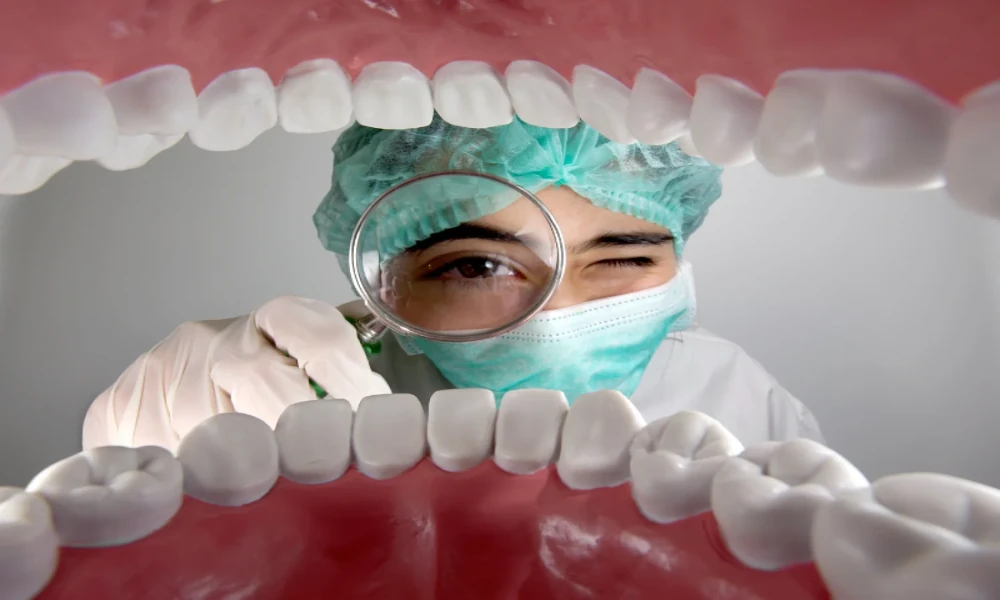
You might not think much about your teeth on a good day. Then a tooth starts to ache, your gums bleed when you brush, or you realize it has been years since your last checkup, and suddenly oral health feels a lot less simple. That shift is common. Many people move from “I’m fine” to “Why did I wait so long?” faster than they expected. At that point, it may be time to find a trusted family dentist in Sunnyvale.
If that sounds familiar, you are not alone, and you are not behind beyond repair. The good news is that The Role Of General Dentistry In Supporting Lifelong Oral Health is not just about fixing problems once they hurt. It is about steady care, early prevention, and building habits that protect your mouth, your comfort, and your confidence over time. A general dentist helps you catch small issues early, manage changes as you age, and keep everyday care on track.
Why does general dentistry matter so much as life changes?
Your mouth changes with you. Stress can lead to clenching. Medications can cause dry mouth. Diet, pregnancy, aging, and health conditions like diabetes can affect your gums and teeth. Because of this, oral care is not a one time task. It is an ongoing part of your overall health.
A general dentist often becomes the steady point in that process. Regular exams, cleanings, X rays when needed, fillings, gum care, and guidance on brushing and flossing all work together. That may sound basic, but basic care is often what prevents pain, tooth loss, and expensive treatment later.
So, where does that leave you if nothing hurts right now? In a stronger position than you may think. Preventive dental care works best before a problem becomes obvious. According to the CDC’s oral health tips for adults, daily hygiene, a healthy diet, and routine dental visits all help lower the risk of cavities and gum disease. Those simple steps matter more than many people realize.
What happens when routine dental care gets pushed aside?
Life gets busy, and dental visits are easy to postpone because the early stages of oral disease are often quiet. A cavity can start small. Gum disease can begin with mild bleeding that seems easy to ignore. Dry mouth may feel annoying, not serious. But over time, those small signs can turn into infection, loose teeth, broken restorations, and pain that interrupts meals, sleep, and work.
There is also a financial side to this. A cleaning and exam are usually easier to manage than a root canal, crown, or extraction. When people avoid care because they are worried about cost, the delay can make treatment larger and more stressful later. That is a hard cycle, and it is one many families know well.
This is one reason lifelong oral health support matters. A general dentist does more than repair damage. They track patterns over time. They notice if grinding is wearing down enamel, if gum pockets are getting deeper, or if a filling is starting to fail. That kind of continuity can protect both your health and your budget.
How does a general dentist support more than just teeth?
Your mouth does not exist apart from the rest of your body. Gum disease has been linked with broader health concerns, and oral pain can affect nutrition, speech, and sleep. A sore tooth can make you chew on one side. Missing teeth can change what foods you avoid. Ongoing discomfort can wear you down in ways that are easy to dismiss until they start affecting daily life.
Good oral hygiene at home still matters, of course. The National Institute of Dental and Craniofacial Research guide to oral hygiene reinforces the basics of brushing with fluoride toothpaste, cleaning between teeth, and replacing your toothbrush when worn. But even strong habits at home have limits. Plaque can harden into tartar. Areas around old dental work can be hard to clean well. Some changes are simply easier for a trained eye to catch.
There is also a bigger public health picture. The Healthy People oral conditions objectives show that improving access to preventive care and reducing tooth decay and gum disease remain national goals. In plain terms, oral health problems are common, but many of them are preventable with regular care.
What does home care do well, and when is a general dentist the better choice?
| Situation | Home Care Helps With | When a General Dentist Is Needed |
|---|---|---|
| Daily plaque control | Brushing twice a day and flossing reduce buildup | Cleanings remove tartar that brushing cannot |
| Early symptoms | You may notice sensitivity or bleeding | Exams help find cavities, gum disease, or cracked teeth early |
| Pain or swelling | Rinsing may give short term comfort | Prompt care is needed to treat infection or damage |
| Long term prevention | Healthy habits lower risk day to day | Routine monitoring supports preventive dental care across every stage of life |
The table makes one thing clear. Home care and professional care are not competing options. They support each other. The goal is not perfection. It is consistency.
What can you do right now to protect lifelong oral health?
1. Pay attention to quiet signs. Bleeding gums, dry mouth, jaw soreness, bad breath that lingers, and new sensitivity are worth noticing. These are not always emergencies, but they are often signals that your mouth needs more support.
2. Tighten up your daily routine. Brush twice a day with fluoride toothpaste, clean between your teeth once a day, and be mindful of frequent sugary snacks or drinks. If you wear a night guard, retainer, dentures, or aligners, keep those clean too. Small daily habits do a lot of heavy lifting.
3. Make regular visits part of your health plan. A general dentist can help you stay ahead of problems instead of reacting to them. If it has been a while, you do not need to feel embarrassed. You just need a starting point. Routine dental care is about moving forward, not being judged for the gap.
Where can steady dental care lead over time?
It can lead to fewer surprises, less pain, and more confidence in the small moments that make up daily life, eating, laughing, speaking, and showing up without that nagging worry in the back of your mind. That is the quiet value of a general dentist. Not just treatment when something goes wrong, but steady support that helps keep things from going wrong in the first place.
If you have been putting off care, this can be your moment to reset. Protecting your oral health does not require perfection. It requires attention, support, and a willingness to start where you are.
