


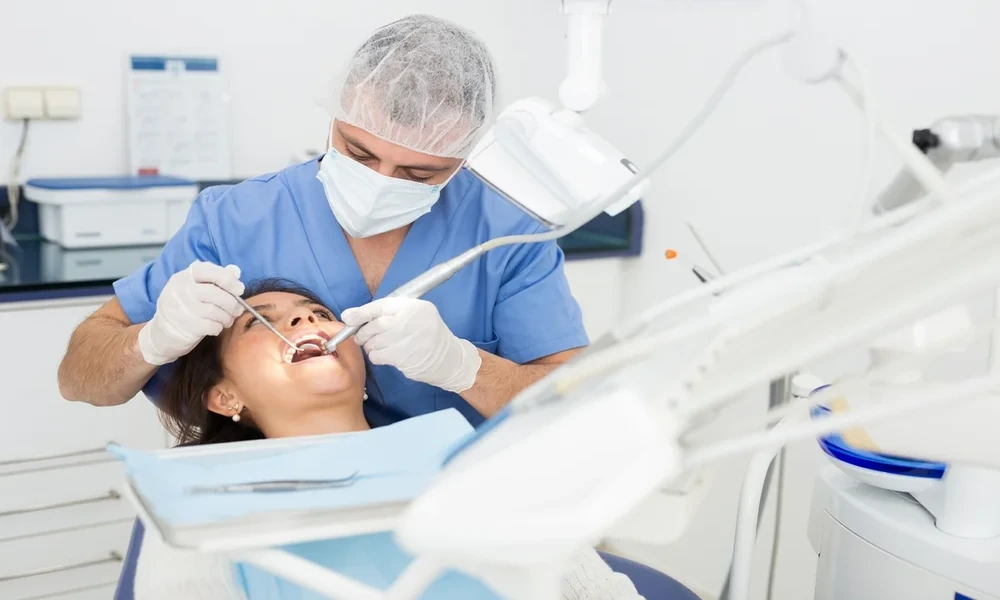
You brush, you floss when you can, and still there is that quiet worry in the back of your mind. Maybe it is the fear of hearing from a Chalfont dentist that you need a filling. Maybe it is the cost of putting off care until something hurts. A lot of people are in that spot. Teeth often seem fine until they are not, and by then the fix is usually more involved, more expensive, and harder on your schedule.
Preventive dental treatments are meant to stop that cycle early. They protect enamel, lower the risk of decay, and help your general dentist catch small issues before they turn into bigger ones. The four treatments that come up most often are professional cleanings, fluoride treatments, dental sealants, and routine exams with X rays when needed. Each one does a different job, and together they give your teeth a much better chance of staying healthy.
Preventive dental care works best before pain starts
The hard part about oral health is that damage can build slowly. Plaque does not always announce itself. Gum irritation can seem minor. A small cavity may not hurt at all. You can feel like you are doing enough at home, then end up needing treatment that could have been avoided with earlier care.
That is why dental prevention treatments matter so much. They are not extra services added for the sake of it. They are targeted ways to reduce risk. A professional cleaning removes hardened buildup you cannot brush away. Fluoride helps strengthen enamel. Sealants create a barrier over the grooves where cavities often start. Exams give your dentist a clear look at changes you would never spot in the mirror.
If you have ever delayed a visit because nothing felt wrong, you are not alone. That choice makes sense in the moment. Life gets busy, insurance can be confusing, and dental appointments are easy to push down the list. The problem is that tooth decay and gum disease do not pause just because your calendar is full.
Professional cleanings remove buildup that home care leaves behind
Even strong brushing habits have limits. Plaque that stays on the teeth too long can harden into tartar, and tartar cannot be removed with a toothbrush. Once it builds up near the gumline, irritation often follows. Gums may bleed a little when you floss, then start pulling away from the teeth over time.
Professional cleanings break that pattern. A hygienist removes plaque and tartar in places that are hard to reach, then polishes the teeth to make it harder for buildup to stick. This is one of the most practical forms of preventive dental care because it deals with the daily wear your mouth goes through, even when your routine at home is solid.
For many people, regular cleanings also create accountability. It is easier to stay on top of your oral health when someone is checking your gums, tracking changes, and giving you direct feedback that applies to your mouth, not a generic list of tips.
Fluoride treatments and dental sealants add another layer of protection
Enamel takes a lot of abuse from acids, sugar, dry mouth, and grinding. When it weakens, cavities become more likely. A professional fluoride treatment helps remineralize enamel and makes teeth more resistant to decay. The CDC explains how fluoride helps prevent cavities by strengthening teeth and slowing the loss of minerals.
Sealants protect a different part of the tooth. Molars have deep grooves where food and bacteria can settle, especially in children and teens, though some adults can benefit too. Sealants are thin coatings placed on the chewing surfaces to block out cavity causing bacteria. The National Institute of Dental and Craniofacial Research explains what dental sealants are and how they work.
That extra layer matters because the back teeth are often where decay starts. According to the CDC, dental sealants can prevent many cavities in children, especially on the chewing surfaces of permanent molars. For families trying to avoid fillings, that is a practical step with a clear payoff.
Routine exams catch small problems before they become expensive ones
Exams are easy to underestimate because they do not feel like treatment. They are still one of the most useful tools a general dentist has. A careful exam can reveal early decay, worn enamel, gum recession, bite issues, and signs of grinding. X rays, when needed, show what is happening between teeth and below the surface.
Think about the difference between a tiny cavity caught early and a tooth that needs a crown or root canal later. The first is usually simpler, faster, and less costly. The second often means more appointments, more discomfort, and more time away from work or family obligations.
Preventive dentistry treatments are really about reducing the chance that a small problem grows quietly while you are busy living your life.
Comparing the four preventive treatments side by side
| Treatment | What It Does | Best For | Main Benefit |
|---|---|---|---|
| Professional cleaning | Removes plaque and tartar above and below the gumline | Most patients on a regular schedule | Lowers risk of cavities and gum disease |
| Fluoride treatment | Strengthens enamel and supports remineralization | Patients at higher risk for decay, children, adults with dry mouth | Helps prevent new cavities |
| Dental sealants | Covers deep grooves on chewing surfaces | Children, teens, and some adults with cavity prone molars | Blocks bacteria and food from settling in pits and grooves |
| Routine exam and X rays | Finds early decay, gum issues, and hidden damage | Anyone who wants to catch problems early | Reduces the chance of major treatment later |
Three steps you can take right away
1. Book a preventive visit before symptoms start. If it has been more than six months, or longer if your dentist recommended a different schedule, make the appointment now. Waiting for pain usually means the issue has already progressed.
2. Ask which treatment fits your risk level. Not everyone needs the same plan. If you get frequent cavities, have dry mouth, wear braces, or have deep grooves in your molars, ask whether fluoride or sealants make sense for you or your child.
3. Tighten up the basics at home. Brush twice a day with fluoride toothpaste, floss daily, and cut back on frequent sugary drinks or snacks. Home care and in office prevention work better together than either one does alone.
Protecting your teeth is easier than repairing them
If you have been putting dental care off, that does not mean you have failed. It means life got busy, and now you have a chance to get ahead of a problem before it grows. A general dentist can help you build a plan around cleanings, fluoride, sealants, and regular exams so your teeth stay healthier and treatment stays simpler.
The best time to protect your teeth is before anything hurts. Schedule a preventive dental visit and give yourself the relief of knowing you are handling the small things before they become big ones.
