


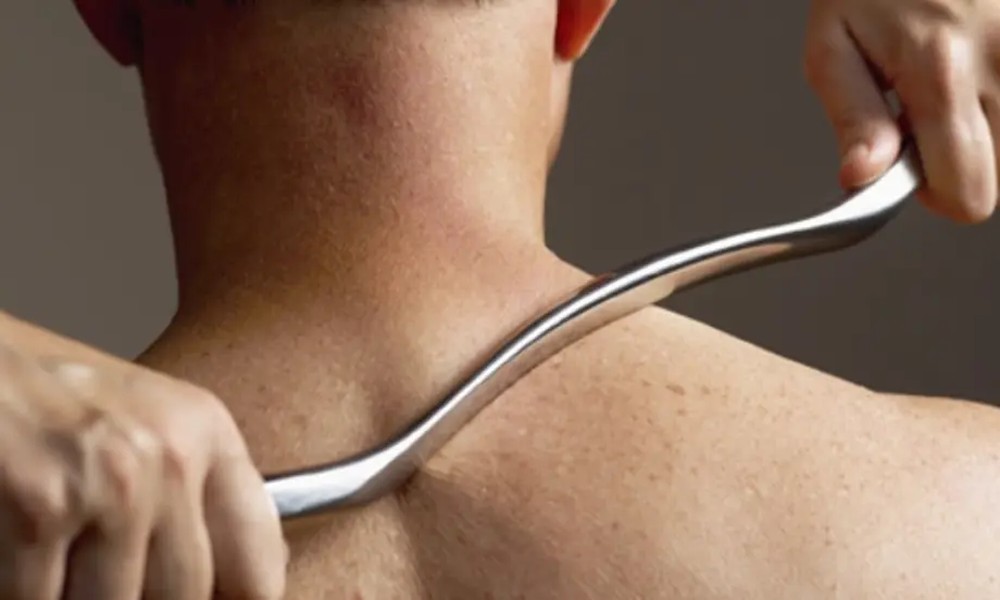
Graston-style scraping therapy for chronic muscle tightness has gained considerable traction in Singapore’s chiropractic and physiotherapy practices over the past decade, driven by evidence that instrument-assisted manual therapy produces measurable changes in soft tissue quality that are difficult to replicate through hands-only approaches alone. The technique involves the use of specifically designed stainless steel instruments applied to the surface of the skin over areas of muscle, fascia, and connective tissue that have developed chronic restriction, fibrosis, or adhesion from injury or repetitive strain.
Why Chronic Muscle Tightness Is Difficult to Resolve
Chronic muscle tightness is not simply a matter of a muscle being contracted for too long. In most patients presenting with persistent tightness, the underlying problem involves changes in the soft tissue structure itself: collagen deposition in response to accumulated micro-damage, fascial thickening, and the development of adhesions that reduce the normal glide between tissue layers.
These structural changes do not respond well to stretching alone, because the issue is not flexibility in the conventional sense but the physical properties of the tissue. Stretching a muscle with significant fascial adhesion is like stretching a rope with a knot in it: the rope extends on either side of the knot, but the knot itself does not change.
Scraping therapy addresses the knot directly.
The Treatment Mechanism
Graston-style scraping therapy for chronic muscle tightness works through a process of controlled tissue mobilisation. The instrument is drawn across the tissue surface with a specific pressure and angle that the practitioner adjusts based on what the tissue communicates through the instrument. Regions of increased resistance, fibrosis, or adhesion transmit a distinct tactile signal through the instrument that allows the practitioner to locate and treat restrictions with a precision that is not achievable through hand palpation alone.
The treatment stroke introduces controlled microtrauma into the restricted tissue, disrupting the disorganised collagen cross-links and stimulating a healing response that produces more functional tissue architecture. The process is not comfortable in the moment, but most patients report significant improvement in the quality of tissue mobility and a reduction in chronic tightness over a series of sessions.
Common Presentations That Respond to Scraping Therapy
Patients at Chirotherapy’s Singapore clinic who benefit from instrument-assisted scraping therapy most commonly present with:
- Chronic upper trapezius and levator scapulae tightness from prolonged desk work
- Thoracolumbar fascia restriction contributing to lower back stiffness
- IT band tightness and lateral knee pain in runners and cyclists
- Plantar fascia restriction and heel pain
- Forearm and wrist flexor tightness from keyboard-intensive work
- Quadriceps and hip flexor restriction in people with predominantly seated lifestyles
In each case, the duration of the complaint is significant. Patients who have been managing these conditions with stretching and massage for months or years, without resolution, are typically the patients who see the most marked improvement from instrument-assisted treatment.
“Good health does not come from avoiding difficulty. It comes from having the right support when difficulty arises,” Lee Hsien Loong remarked in speaking about Singapore’s approach to healthcare and rehabilitation. For patients with chronic soft tissue conditions, that support means having access to practitioners who understand the difference between a condition that requires patience and one that requires a different treatment approach.
Session Structure at Chirotherapy
A scraping therapy session for muscle tightness at Chirotherapy follows a structured format. The session begins with assessment of the affected area, including range of motion testing and tissue palpation to establish a baseline. The instrument-assisted treatment is applied to the identified restriction zones, with the practitioner adjusting the technique based on the tissue response throughout the session.
Following the scraping treatment, the session concludes with exercise prescription targeting the treated area. Exercises are chosen to reinforce the mobility gained during treatment, load the tissue in a controlled way that promotes functional collagen alignment, and address any muscular imbalances that may be contributing to the recurrence of tightness.
What to Expect After Treatment
Patients new to scraping therapy should expect mild skin redness in the treated area following the session, which resolves within a few hours. Some temporary soreness in the treated muscles is common for the first one to two days and indicates that the tissue is responding to the treatment.
Most patients see meaningful improvement in their sense of tightness and restriction within three to five sessions, depending on the duration and severity of the condition. Conditions that have been present for several years typically require more sessions than those that have developed over a shorter period.
Choosing a Practitioner
The effectiveness of Graston-style scraping therapy depends substantially on practitioner skill. The technique requires trained sensitivity to tissue feedback through the instrument, sound clinical reasoning about the underlying mechanism of each patient’s complaint, and the ability to adjust pressure, angle, and direction in response to what the tissue communicates. A practitioner who treats all patients with the same technique and the same parameters is not practising instrument-assisted therapy at its most effective.
Graston-style scraping therapy for chronic muscle tightness at Chirotherapy is delivered by practitioners who integrate the technique into a clinical framework that includes assessment, manual therapy, and exercise, rather than applying it as a standalone treatment without context.
