


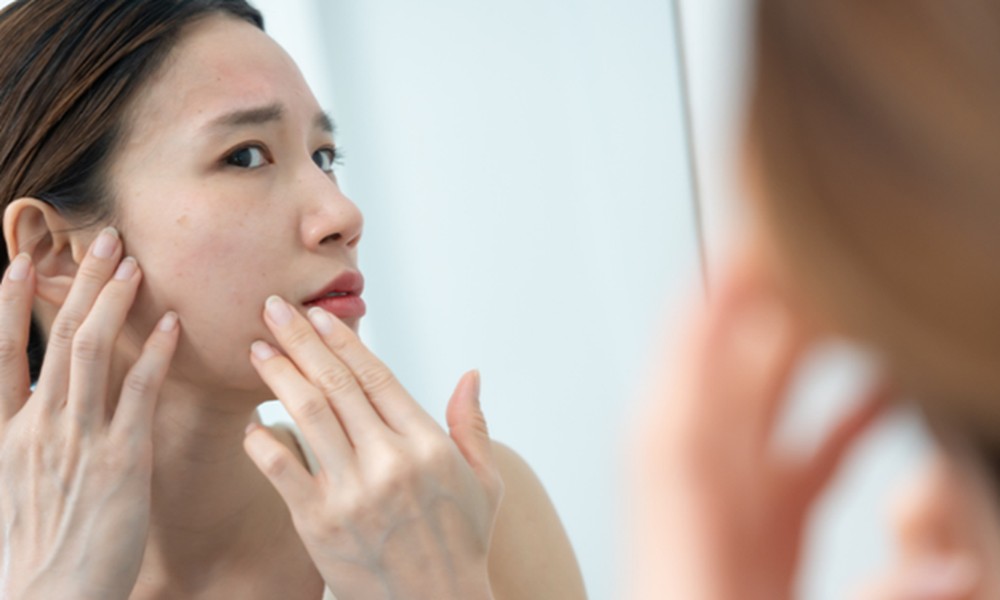
Some of the most confidence-boosting skin and appearance concerns are also the ones people rarely bring up. Not because they’re “too vain,” but because they feel oddly personal-like something you should just live with. The truth is, many of these issues are common, treatable, and quickly improved with the right professional approach.
Below are seven under-the-radar treatments that can make a surprisingly big difference in how you feel day-to-day-especially when you’re tired of covering, hiding, or working around something that’s been bothering you for years.
1) Visible leg veins and spider veins
If you avoid shorts, skirts, or certain lighting because of visible veins, you’re not alone. Spider veins and small visible leg veins can be a cosmetic frustration even when they’re not medically dangerous. They can make legs look blotchy or “busy,” and many people feel like they stand out more than anyone else would notice.
Professional vein treatments can help reduce the appearance of these vessels. Depending on the type and location, options may include in-office procedures that target the vessels directly. A consultation matters here because not all visible veins are the same, and the best approach depends on whether the veins are superficial, deeper, or connected to underlying venous issues.
Confidence boost: Wearing what you want again without mentally checking your legs in every mirror.
2) “Random” growths that catch on clothing or jewelry
Skin tags, benign “stuck-on” spots, small bumps, and textured growths can be more than a cosmetic annoyance-they snag necklaces, rub against bra straps, bleed when shaved, or get irritated from friction. And even when they’re harmless, they can feel messy or distracting.
A professional exam can confirm that a lesion is benign and discuss removal options. In many cases, removal is quick. The bigger value is peace of mind: you’re not guessing what it is or worrying that you’re ignoring something important.
Confidence boost: Smoother skin, fewer snags, and less “what is that?” anxiety.
3) Cosmetic mole removal (when it’s safe and appropriate)
Not every mole needs to be removed, and removal should never be treated casually. But if you have a stable, benign mole that sits in an obvious spot-like the face, neck, or a high-friction area-removal can be a meaningful confidence win.
The key is doing it the right way: evaluate it first, discuss technique and scarring risks, and set realistic expectations. A thoughtful clinician will talk you through what’s possible and what will look best long term.
Confidence boost: Not fixating on the same spot in every photo or video call.
4) Earlobe repair (torn or stretched piercings)
Earlobe issues are more common than people think-stretched holes from years of earrings, tears from heavy jewelry, or accidental snags. Some people stop wearing earrings entirely because the hole looks uneven or earrings won’t sit right.
Earlobe repair can restore shape and function. After healing, many people can re-pierce (with professional guidance on timing). It’s a small procedure that can make a big difference, especially if you miss wearing earrings or feel self-conscious about asymmetry.
Confidence boost: Earrings look right again-and you’re not hiding your ears.
5) Professional ear piercing (especially for kids, teens, and sensitive skin)
Ear piercing seems simple until it’s not. Poor technique, non-sterile tools, low-quality jewelry, and improper placement can lead to infection, irritation, allergic reactions, or uneven holes. Many people have a “piercing regret” story.
A professional piercing in a medical setting can be reassuring-especially for parents, people prone to keloids, or anyone with sensitive skin. You can ask about jewelry materials (like nickel-free options), aftercare, and placement, and you’re less likely to deal with complications.
Confidence boost: A clean, well-placed piercing that heals better and looks symmetrical.
6) Milia, blackheads, and stubborn congestion that never fully clears
Those tiny white bumps (milia) or recurring congestion around the nose and chin can feel impossible to fix with products. People often over-exfoliate or pick at them-making irritation worse.
Professional extraction or targeted treatment can help clear what’s trapped under the skin without the cycle of squeezing, redness, and “why is it back again?” It’s also a chance to get guidance on a routine that prevents recurrence rather than inflaming the skin.
Confidence boost: Makeup sits smoother, skin looks cleaner, and you stop zooming into your pores.
7) Scar and discoloration touch-ups (small areas, big impact)
You don’t need dramatic acne scarring to feel bothered by texture or discoloration. Sometimes it’s one noticeable scar, a dark spot that won’t fade, or uneven tone that makes you look tired. And often, people try to correct it with concealer or constant product experiments.
A professional can assess whether your concern is pigment, blood vessels, texture, or a combination-and recommend appropriate options. Even subtle improvements can change how confident you feel in natural light or without makeup.
Confidence boost: Less “covering,” more comfort being bare-faced.
Why these treatments matter more than people admit
Confidence isn’t about chasing perfection. It’s about removing the little daily friction points-things that steal attention, add self-consciousness, or make you feel less like yourself. When a concern is persistent, it’s reasonable to explore solutions with someone who can evaluate safety, expectations, and the best method.
If you’re considering any of the above, look for a practice that offers a wide range of dermatologist treatments and can explain pros/cons clearly-so you’re not pushed into a cookie-cutter option. A good consult should leave you feeling informed, not upsold.
The bottom line: if something has been on your mind for months (or years), it’s not “silly.” It’s information. And getting it addressed-thoughtfully and safely-can be one of the most underrated ways to feel better in your own skin.
