


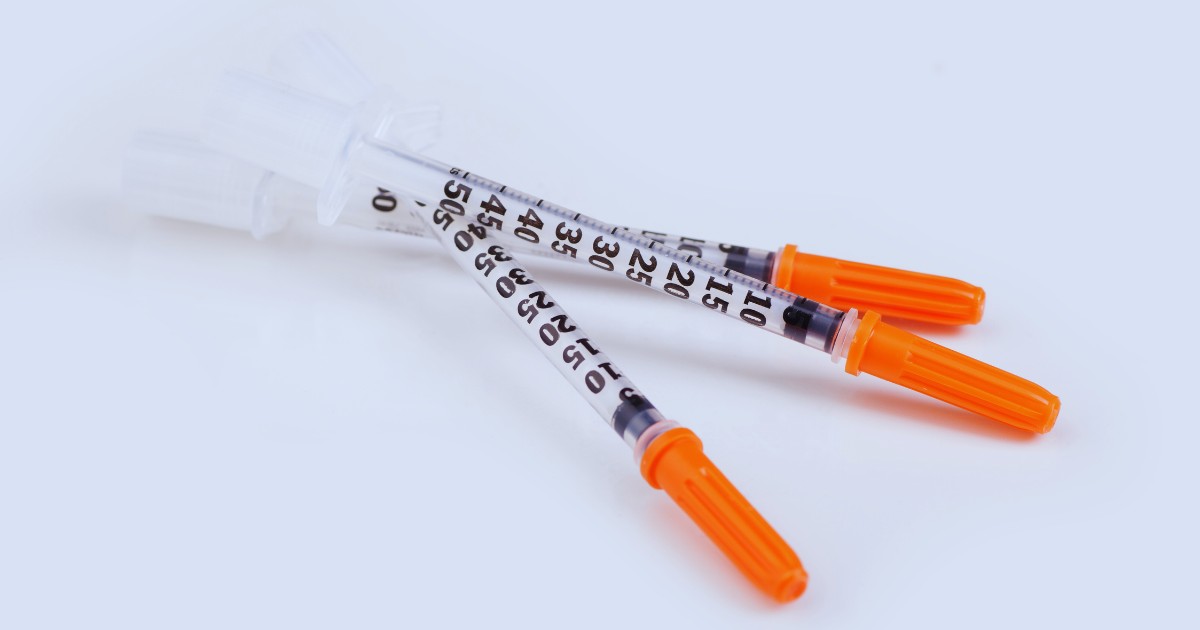
Acupuncture needles may appear simple, but selecting the right one plays a significant role in both treatment effectiveness and patient comfort. Gauge, length and material all influence how a needle performs during insertion and stimulation, making needle choice an important clinical consideration rather than a minor detail.
For practitioners, understanding these differences helps support safer practice, better outcomes and a more positive experience for clients.
Why Needle Choice Matters
Using an unsuitable needle can affect everything from insertion comfort to therapeutic response. A needle that is too thick, too short, or made from an inappropriate material may cause unnecessary discomfort or limit access to certain points.
Thoughtful needle selection allows practitioners to tailor treatments to individual patients, techniques and body areas, helping sessions feel both precise and controlled.
Understanding Needle Gauge
Gauge refers to the thickness of the needle. In acupuncture, a higher gauge number means a thinner needle.
Thinner needles are commonly used for:
- Sensitive patients
- Facial or auricular acupuncture
- Superficial or gentle techniques
Slightly thicker needles may be preferred when:
- Stronger stimulation is required
- Treating areas with more muscle mass
- Using manual techniques that require added rigidity
Choosing the appropriate gauge helps balance effectiveness with comfort.
Choosing the Right Needle Length
Needle length determines how deeply a point can be accessed safely. Shorter needles are typically used for areas with minimal tissue depth, while longer needles allow access to deeper muscular or connective tissue points.
Common considerations when selecting length include:
- The anatomical location of the point
- The size and build of the patient
- The depth required for the chosen technique
Using a needle that is too long increases risk, while one that is too short may limit treatment effectiveness.
Needle Materials and Coatings
Most modern acupuncture needles are made from stainless steel due to its strength, flexibility and resistance to corrosion. Some needles feature additional coatings, such as silicone, to reduce friction during insertion.
Material and coating choices can influence:
- Smoothness of insertion
- Needle control during manipulation
- Patient comfort, particularly for first time clients
For practitioners with clients sensitive to certain metals, material awareness becomes especially important.
Matching Needles to Treatment Style
Different acupuncture styles often call for different needle characteristics. Gentle, minimal stimulation approaches may rely on fine, shorter needles, while more traditional or manual techniques may require firmer needles that can withstand manipulation.
Consistency in needle choice also helps practitioners develop better tactile awareness, improving accuracy and confidence over time.
Storage and Handling Considerations
Even the best needle is only effective if handled correctly. Proper storage protects sterility and ensures needles remain in optimal condition.
Key best practices include:
- Storing needles in clean, dry environments
- Checking packaging integrity before use
- Disposing of needles immediately after treatment in approved sharps containers
Safe handling supports both practitioner and patient safety.
Frequently Asked Questions
Does needle thickness affect pain levels?
Thinner needles are generally perceived as more comfortable, especially for sensitive patients or delicate treatment areas.
Can one needle type be used for all treatments?
While possible, using different gauges and lengths allows for more tailored and effective treatments.
Are coated needles better than uncoated ones?
Coated needles often allow smoother insertion, which can improve comfort, though preference varies by practitioner.
How important is needle quality?
High quality acupuncture needles provide better consistency, control and safety, supporting reliable treatment outcomes.
Final Thoughts
Needle selection is a foundational skill in acupuncture practice. By understanding how gauge, length and material affect performance, practitioners can make informed choices that enhance comfort, precision and treatment effectiveness. Small adjustments in acupuncture supplies and needle choice can lead to meaningful improvements in both practitioner confidence and patient experience.
