



You’re not short on options. I’ve seen hundreds of treatment centers try to pitch themselves as the “best” or the “most advanced” place to get help.
But most of them blend together.
Same scripts. Same vague promises. Same glossy stock photos of people doing yoga.
When I started evaluating drug treatment centers in AZ, I wasn’t just looking for surface-level appeal. I was looking at real service structure, how programs are managed post-residential care, and whether or not they actually address both addiction and mental health in a meaningful way.
That’s how I ended up recommending drug treatment centers in AZ like Rock View Recovery.
Here’s why.
Their Programs Actually Reflect the Complexity of Recovery
Recovery isn’t linear.
You can’t slap a one-size-fits-all plan on someone and expect it to work. That’s why I always look for centers that offer personalized paths with licensed professionals guiding each phase.
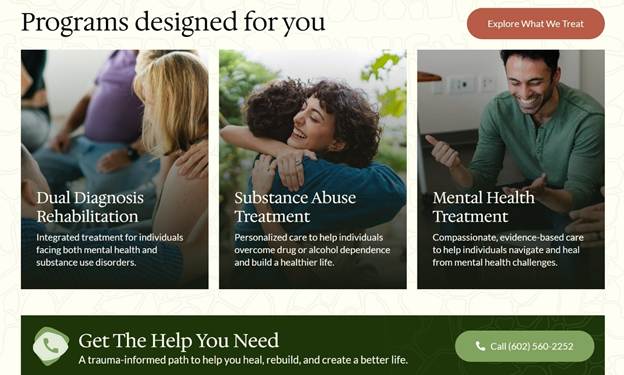
Rock View Recovery stands out because they take dual diagnosis seriously. That’s crucial. You might be battling alcohol dependency and unresolved trauma. Or maybe depression and opioid use. This place doesn’t treat one and ignore the other.
Their approach uses evidence-based therapy, trauma work, and even holistic methods like neurotherapy. It’s not fluff. These tools help rewire how you deal with stress, setbacks, and emotions without needing to numb yourself.
Sober Living With Real Structure and Community
The biggest blind spot in recovery is what happens after the initial residential stay.
I’ve seen too many places push people out the door after 30 days and wish them luck. Rock View Recovery doesn’t work that way.
They offer sober living homes for both men and women that aren’t just places to crash. These homes are structured for accountability, personal growth, and support. I’ve reviewed the kind of guidance they give—from mentorship to peer connection—and it’s clear they’ve put serious effort into maintaining long-term support systems.
This is the kind of setup I recommend if you’re looking to reduce relapse risk and actually build a future, not just survive the present.
They Don’t Ignore Mental Health—They Prioritize It
Too many recovery centers treat mental health like an afterthought. That’s a mistake.
You can’t effectively deal with substance abuse if you’re not also addressing anxiety, PTSD, depression, or whatever else is dragging you down.
That’s where Rock View Recovery earns my respect. Their anxiety rehab facilities are run by people who understand that mental health and addiction are tightly linked. They treat conditions like bipolar disorder, OCD, ADHD, and trauma with the same level of care as they do substance dependence.
You’re not going to find a meaningful, long-term solution unless you tackle both sides of the problem. They do.
The Setting and Amenities Actually Support Recovery
A treatment center’s environment matters.
I’m not saying luxury is a requirement. But a peaceful, focused setting is.
Rock View Recovery gives people a place to reset. Real nature, quiet surroundings, and enough space to breathe. Their facilities include everything from fitness options to chef-prepped meals. It’s not about pampering—it’s about taking distractions off the table and letting people focus on healing.
That kind of environment makes a difference. I’ve seen it.
They Don’t Drop the Ball After You Leave
Here’s something I look for that most people miss.
Does the center stay involved after treatment? Or do they disappear?
Rock View Recovery has an alumni program that keeps people connected through mentorships, events, workshops, and more. That’s not just feel-good fluff. It’s a sign that they’re invested in outcomes, not just admissions.
If you’re trying to avoid going in circles, that kind of ongoing connection can be the difference between staying grounded or slipping back.
Bottom Line
I don’t recommend treatment centers lightly. I’ve seen too many places overpromise and underdeliver.
But Rock View Recovery actually checks the boxes that matter:
- Personalized, trauma-informed care
- A clear focus on dual diagnosis
- Long-term sober living options
- Real investment in mental health
- An alumni network that lasts
If you’re trying to find a program that actually works, this is where I’d start.
It’s not just a name on a list. It’s one of the rare few that actually lives up to what they say they do.
