


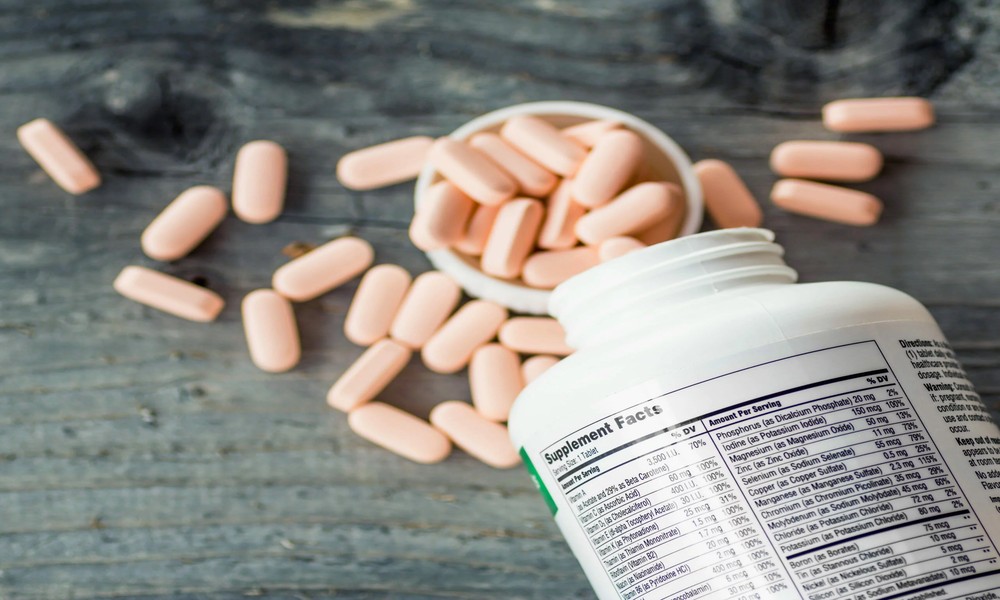
Walking into a health store or scrolling through supplement websites can feel overwhelming. Bottles are covered in unfamiliar terms, percentages, and abbreviations. You see “daily value,” “bioavailability,” and “chelated forms,” and you wonder: what does any of this actually mean?
The truth is, you’re not alone in feeling confused. Supplement labels are designed to inform, but they often feel like a foreign language. The good news? Understanding them doesn’t require a chemistry degree. It just requires knowing what to look for. When you take time to understand what you’re putting into your body, you’re making a choice that honors your health and your intelligence as a consumer.
The Anatomy of a Supplement Label
Every supplement label contains specific information required by law. Learning to read these sections transforms you from a confused shopper into a confident one.
The Supplement Facts Panel
This is the heart of the label. It’s similar to the nutrition facts panel on food, but designed specifically for supplements.
What you’ll find here:
- Serving Size: This tells you how much of the product equals one dose. Always check this first-some bottles contain multiple servings, which can be surprising.
- Amount Per Serving: This is the actual quantity of each ingredient in one serving, measured in milligrams (mg), micrograms (mcg), or international units (IU).
- % Daily Value: This percentage shows how much of the recommended daily intake that ingredient provides. Not all nutrients have an established daily value, so you might see a “†” symbol instead.
The Ingredient List
Below the supplement facts, you’ll see every ingredient in the product, listed in descending order by weight. The first ingredients make up the bulk of what you’re taking.
What to look for:
- Active Ingredients: These are the nutrients you’re actually taking the supplement for (like Vitamin C or Zinc).
- Other Ingredients: These are fillers, binders, and preservatives that help the supplement hold together and stay fresh. A shorter list is generally better.
Understanding Dosages and Daily Values
One of the most confusing aspects of supplement labels is figuring out whether you’re getting “enough” of something.
What Is the Daily Value?
The Daily Value (DV) is a reference amount set by the FDA based on average adult nutritional needs. It’s not necessarily the optimal amount for you-it’s a general guideline.
For example, the daily value for Vitamin C is 90 mg. A supplement might provide 500 mg, listed as “556% DV.” This doesn’t mean you need that much; it simply means the supplement contains more than the baseline recommendation.
More Isn’t Always Better
Here’s something important: taking more of a nutrient than your body needs doesn’t necessarily make you healthier. Some vitamins are water-soluble (like B-vitamins and Vitamin C), so your body excretes excess amounts. Others are fat-soluble (like Vitamins A, D, E, and K), meaning your body stores them, and too much can accumulate.
Understanding different dosage forms:
- Tablets: Compressed powder with binders. They take longer to dissolve.
- Capsules: Powder or liquid inside a shell. They dissolve faster.
- Gummies: Easier to take, but often contain added sugars.
- Liquids: Fastest absorption, but often more expensive.
Bioavailability: Does Your Body Actually Use It?
Here’s a secret supplement companies don’t always highlight: your body can’t use every form of a nutrient equally well. This is called bioavailability-the percentage of a nutrient your body can actually absorb and use.
Forms Matter More Than You Think
Some minerals are “chelated,” meaning they’re bound to amino acids, making them easier for your body to absorb. For example, magnesium glycinate is more bioavailable than magnesium oxide, even though they’re both magnesium.
When you discover trusted wellness solutions, look for forms known to have good bioavailability. A lower dose of a highly absorbable form is often more effective than a higher dose of a poorly absorbed one.
Certifications and Quality Markers
Not all supplements are created equal. Third-party certifications give you confidence in what you’re buying.
Look for these marks:
- GMP Certified: The supplement was manufactured following Good Manufacturing Practices, ensuring quality and consistency.
- USP Verified: The U.S. Pharmacopeia tests supplements for purity and potency.
- NSF Certified: This verifies that the product contains what the label says it does.
These certifications don’t guarantee miracles, but they guarantee you’re getting what you paid for.
Reading Between the Lines
Supplement companies use language strategically. Words like “supports,” “promotes,” and “helps maintain” are legally different from claiming a supplement “cures” or “treats” a disease.
What this means:
- A supplement might “support” heart health, but it’s not a heart medication.
- A vitamin might “promote” energy, but it’s not a replacement for sleep.
- A mineral might “help maintain” bone health, but it’s not a substitute for exercise.
Understanding this language helps you have realistic expectations.
Building Your Personal Strategy
The best supplement is one you’ll actually take consistently. A high-quality multivitamin taken daily is more valuable than an expensive specialized supplement you forget about.
Your label-reading checklist:
- Check the serving size first
- Look at the amount per serving
- Understand the % Daily Value in context
- Choose forms with good bioavailability
- Look for third-party certifications like GMP
- Remember that “supports” isn’t the same as “cures”
The Bottom Line
Reading supplement labels doesn’t require expertise. It just requires knowing what to look for. When you understand what you’re buying, you’re making a choice that honors your body and your health.
Start with one supplement you use regularly. Read the label carefully. Ask yourself: Do I understand what I’m taking? Do I know why? If the answer is yes, you’re already on your way to making smarter health choices.
